Timing a Competition Tan: The Stage, the Floor and the Field
Twelve weeks of training come down to ninety seconds under the lights: how to plan a competition tan, from first conversation to the morning of.
 By Jana · July 16, 2026 · 6 min read

Picture a physique competitor three weeks out from her first show. She has trained for this since the spring: early mornings, measured meals, a coach who texts her at six. Her posing routine is ninety seconds long, and she has rehearsed it in her living room until the dog stopped watching. What she hasn't planned yet is her color, and she has just realized that those ninety seconds under stage lights are when it matters most.
Competition tans are some of my favorite appointments, because they reward planning so clearly. Done well, the color shows the work. Done in a rush, it can hide it. Here is how I plan one, using her show weekend as the thread, with notes for dancers and game-day athletes along the way.
Why the lights change everything
Stage lighting is bright, white and flat. It washes out color and softens shadows, and shadows are what show muscle definition. Color that looks rich in a bathroom mirror can read pale from the judges' table. That's why competitors usually need more depth than everyday life calls for, and why the timing matters as much as the tan itself.
The same is true, in different ways, on a dance floor under spotlights and across a long game under stadium lights. Each setting brings its own challenges, and the plan changes with them.
Start with the conversation
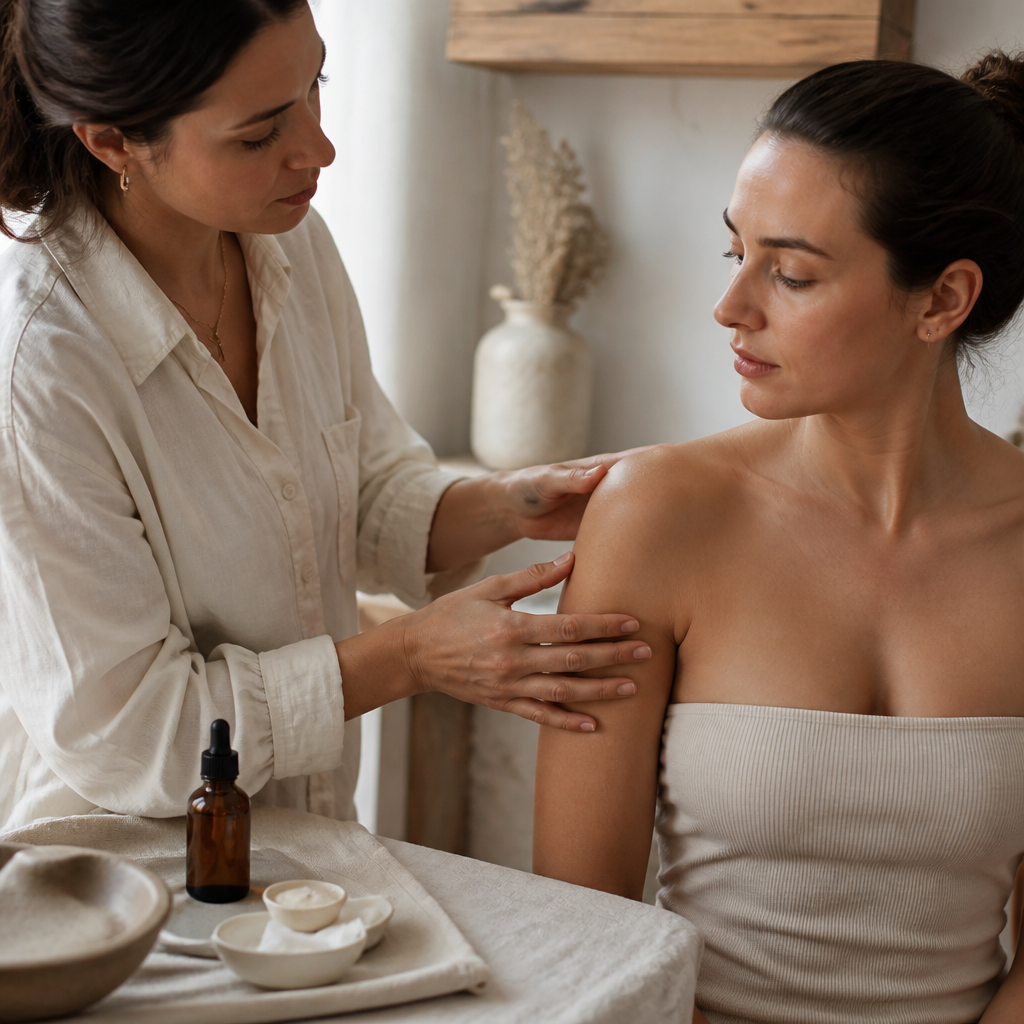
Three weeks out is a good time to call. When she comes in, we talk before anything else. What federation is she competing in, and what do the judges tend to prefer? What color is her suit? What does show weekend look like: check-in, pre-judging and an evening show?
Preferences about undertone vary between judges, directors and photographers, so I ask her to bring whatever she knows. If her coach has a view, I want to hear it. If she has photos from a friend's show, even better.
From that conversation comes the plan: the formula, the depth and the days.
Choosing the formula
There are three formulas I reach for most with competitors.
Ultra Dark for the stage. Two coats in one appointment for the deepest color the studio offers, with a rinse at 8 to 12 hours. This is her show tan.
Unity NR for the training block. A neutral formula the manufacturer describes as sweat-resistant, often a good choice for a steady base while she's still training hard.
Rapid Development when time is tight. A cool, even brown with a rinse at 2, 4 or 6 hours, useful when the schedule leaves only a short window.
Ultra Dark isn't a formula for a first spray tan. If she has never had one, I'll suggest a lighter appointment a few weeks before the show, partly to see how her skin takes color and partly so nothing about show week is new.
The weeks before
The color can only be as even as the skin underneath it. In the weeks before the show she exfoliates gently with a glove at every shower and moisturizes regularly, so dry patches on elbows, knees and ankles don't catch extra color.
She shaves or waxes at least a day before her tan. A fresh shave can show at the follicle, and waxing needs time to settle.
And she tells me about her skincare. Some products, such as retinoids and exfoliating acids, speed fading. She doesn't need to stop anything on her own; I just need to know, so the plan accounts for it.
One to two days before
She books her competition tan one to two days before the show. That timing does two things. It gives the color the full day it needs to develop, and it lets her first rinse even out the bronzer before she steps on stage, so what the judges see is the finished tan rather than the guide color.
On the morning of her appointment she arrives clean and dry, with no deodorant, lotion or oil on her skin. She wears loose, dark clothing and slip-on shoes, and brings a loose cover-up for the drive home.
Ultra Dark goes on in two coats, and I pay particular attention to the places the lights catch first. Then she's on her way, with her rinse time.
The first 24 hours
The next day is quiet by design. No hard training, no heat, no swimming and no compression wear while the color develops. Heavy sweat in the first 24 hours can carry formula across the skin and leave streaks, and tight fabric can leave pale lines where it sits.
Loose, dark clothing is the uniform. She sleeps in it, eats in it and posts her countdown photos in it. Then she rinses at the time I gave her, with lukewarm water only and no soap, and pats dry.
Show day
On the day itself, the color is fully developed and even. She follows her federation's rules and her coach's advice for the stage, and keeps a loose cover-up on between pre-judging and the evening show to protect both the color and the suit.
When she walks out under the lights, the color shows exactly what she built. Backstage, she resists the urge to check it in every mirror. It's done, and it's even, and that is one less thing on a very full day.
What to pack for show weekend
A small bag saves a lot of worry. She packs loose, dark clothing to change into between sessions, a dark towel, and a loose cover-up that zips or buttons rather than one she has to pull over her head. If she uses Dolce Dust, a little goes in the bag for the end of a long day. Anything her coach has asked her to use on stage goes in too, and that's a conversation for her and her coach.
She also packs patience for the people around her. Backstage is crowded, and everyone is nervous. A tan that has been planned well is one thing she doesn't have to think about.
If something isn't right
Even with careful planning, skin sometimes surprises us. A patch that caught extra color on an elbow, a spot where a strap sat during development, a line from a watch she forgot to take off. If anything about the tan isn't right, she lets me know within 24 hours, and it's taken care of. That's another reason to book one to two days ahead rather than the night before: there's room to fix things calmly.
After the show
Once the trophies are packed away, the color fades like any other tan. For an even fade, she goes back to gentle glove exfoliation in the final days and moisturizes daily, so the color comes off evenly rather than in patches. Then her skin is ready for the next show, or simply for the next ordinary week.
For dancers and multi-round days
Dancers face a different challenge. Costumes rub, partners hold on, and spotlights are unforgiving. A light layer of Dolce Dust after the tan helps, since the manufacturer says it cuts stickiness and transfer, and loose cover-ups between rounds protect both the color and the costume.
Depth for dance depends on the lighting and the style. A ballroom floor under bright spotlights often calls for more color than a contemporary piece in softer light. Bring your schedule, and if you have a video from last season, bring that too.
If you dance with a partner, it's worth booking your tans together. When both of you are tanned for the same competition, your color sits in the same range under the lights, and neither of you looks pale beside the other.
For game days and long seasons
Field athletes usually want something else entirely: color that looks natural up close and holds through hours under stadium lights and heavy activity. For a long season, many athletes find a lighter, more frequent tan suits training better than going deep.
Timing works differently here, too. Rather than one tan for one day, the plan follows the schedule: a tan placed so the first 24 hours fall on a rest day, and a rhythm that keeps the color steady from one game to the next. Bring the season calendar to your first appointment, and we will find the days that work.
Rinse promptly after sweat sessions and swims, moisturize, and know that chlorine and long soaks shorten a tan. Sport tape can lift a little color as it peels, so take it off gently.
Plan it once, then repeat it
Most competitors don't do just one show. Once we've found the right formula, depth and timing, we repeat the plan, adjusting for each event's lighting and schedule. That consistency is what makes show week calm, and it's one of the quiet advantages of having the same hands on every tan.
Some competitors keep a short note on their phone after each show: the formula, the rinse time, how many days before, and how the color looked in the photos. Between that and my own notes, the next show starts from a known result rather than a guess.
The Athletes guide has the full training week, risk by risk. When you have a date, text it to me and we will work backward from there.